All Posts By

Rueko Studio

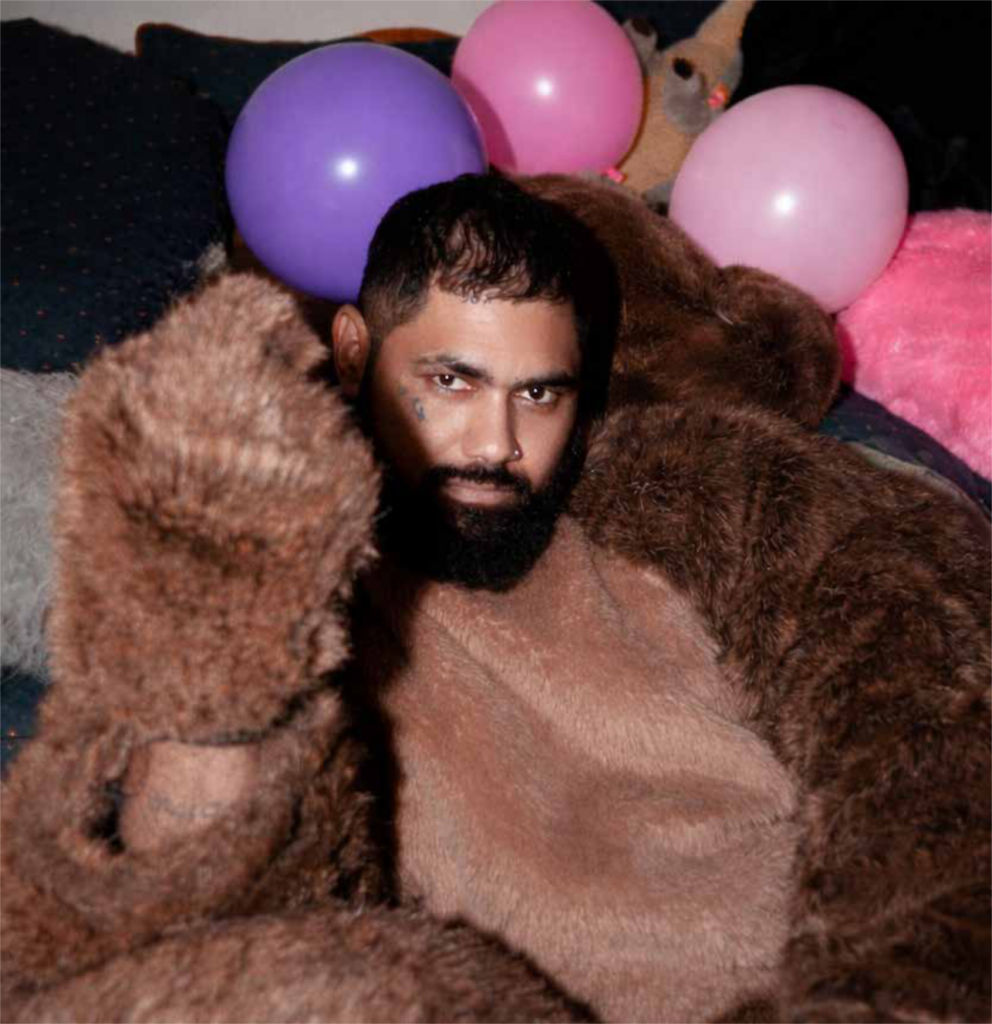
We know how to talk about sex: Hardly any time talking about our asses

By Cape Town Pride

Written by Duncan Stevens and Grace Maree


We are excellent at talking about sex. We can discuss consent, boundaries, kinks, STI windows, attachment styles, and which therapist is “the good one.” We’ll negotiate a threesome with a whiteboard and a shared Google Doc. We’ll even unpack our childhood trauma naked. And yet, somehow, nobody ever asks the most basic post-sex question: “How’s your hole doing?” Not in a slutty let’s-go-again way, in an are-you-okay, do-you-need-water way. Which feels unhinged, considering how often it’s involved.

Anal sex is not delicate, but it is demanding. It’s friction, stretch, pressure, enthusiasm — and sometimes a level of ambition that really should come with a big flashing neon sign. …Okay, somehow I made that hornier than intended. The tissue down there is sensitive, absorbent, and very good at remembering exactly what you just put it through. And culturally, we’ve decided that as long as the sex was hawt, the story ends there. Clothes on. Bathroom wipe. Emotional check-in, if we’re being evolved Meanwhile, your body is quietly filing a report.

Most of us know the signs. The soreness the next morning. The dryness that feels personal. That moment when you sit down and think, wow, why does my chair feel judgemental today? We joke about it. We power through. We act like that’s just the price of admission. But care doesn’t stop when penetration does.

In kink spaces, aftercare is non-negotiable. You don’t get points for being edgy if you leave someone shaking, dehydrated, and Googling their life choices. Yet when it comes to anal sex — the Ironman triathlon of intimacy, we ghost our own sphincters the second it’s over, like a Grindr hookup who said “five minutes” an hour ago Which is wild, considering it’s our own butthole.

Aftercare isn’t about killing the mood. It is the mood. It’s how sex turns into intimacy instead of a transaction. It’s how pleasure becomes something your body wants to repeat, not something it quietly dreads on Monday morning. Maybe caring about your ass isn’t boring. Maybe it’s just… grownup Because pleasure isn’t only about how far you can go. It’s about how well you recover.

And honestly, if we’re going to keep doing butt stuff, which we absolutely are, we might as well treat the aftermath with the respect it deserves.

CRAIG LUCAS: On Representation, Recovery And Reclamation

By Cape Town Pride

From coming out publicly while navigating the pressures of a growing music career to being open about sobriety, mental health, and loss, Craig Lucas’s journey has been shaped by a steady move toward honesty. Now four years sober and preparing for his third appearance at Cape Town Pride Mardi Gras, Craig reflects on queerness, representation, and what it takes to stay grounded. Alongside music, Craig’s work extends into community development through The Warren and Arlene Lucas Foundation, which focuses on early childhood development, youth empowerment, and education. His academic research in Development Studies sits alongside his creative work, driven by the same concerns around equity, access, and care. Craig speaks openly about coming out, recovery, mental health, and the role queer community continues to play in his life.


Pride Magazine: You’ve become one of the most visible queer pop artists in South Africa. What does representation actually mean to you at this point in your life?

Craig Lucas: Representation used to feel like pressure. Like I had to be the perfect example of a queer person. The right politics, the right softness, the right bravery, the right amount of visibility. I felt like I had to get it right all the time, because if I messed up, it felt like I wasn’t just messing up as Craig, but as “a queer person in the public eye.” Now, representation feels more like permission to be messy, soft, opinionated, emotional, sometimes annoying, sometimes inappropriate, sometimes deeply serious. Permission to change my mind. Permission to not always have the perfect answer. Growing up, I didn’t see many queer people who looked or sounded like me, or came from where I come from. I didn’t see queer people who were allowed to be contradictory or complex. So queerness felt like something I had to either hide or perform really carefully. Representation matters because it expands what’s possible. It widens the frame. It tells the kid watching from Elsies River, or some other small town that there isn’t just one way to be queer, successful, loved, or safe. You don’t have to be brave all the time. You don’t have to be palatable. You don’t have to be inspirational 24/7. You can just exist. And sometimes, simply existing is radical enough.


Pride Magazine: This is your third time performing at Cape Town Pride Mardi Gras. What keeps pulling you back?

Craig Lucas: There’s something really powerful about standing on that stage knowing the history. Pride didn’t start as a party. It started as resistance, because queer people were tired of being told to be quiet, small, and grateful. So even when we’re dancing, screaming, and kissing strangers, there’s still something deeply political about being visible and joyful in a country where queerness isn’t always safe or accepted. And to be fair, the topless, sweaty boys in the crowd don’t hurt either.


Pride Magazine: When you shared that letter coming out publicly in 2018, it struck a nerve across South Africa. Looking back now, what did it mean for you personally?

Craig Lucas: Writing that letter felt like survival. I was just trying to be honest enough to stay alive and sane. I had been carrying so much shame and so much self-hatred for so long that it had started to feel physical. Like something rotting inside me that I couldn’t ignore anymore. Once I said it out loud, once it existed outside of my own head, it stopped feeling like this all-consuming secret that defined me. It became a truth, not the truth of who I am. That distinction was everything. What I didn’t anticipate was how many people would see themselves in it. People from completely different backgrounds, ages, gender identities, careers, reaching out to say, “I thought I was the only one who felt like this.” That showed me just how isolating shame can be, and how powerful honesty is in breaking that isolation. Coming out publicly didn’t magically fix everything. But it did give me access to myself again. And that’s something I’ll always be grateful for.

Pride Magazine: The letter also sparked a broader conversation about family, stigma, and the real risks many LGBTQ people face when coming out. What would you want parents, families, and loved ones to understand about that moment in someone’s life?

Craig Lucas: Everyone’s coming-out journey is different, and no one owes it to anyone to come out on a specific timeline, or at all. Not being able to exist fully as who you are, does real damage over time. It quietly erodes your sense of worth and can negatively shape the decisions and choices queer people make in ways that aren’t always visible. So I think the most important thing for parents and loved ones to understand is that coming out isn’t necessarily about rebellion, attention, or the rejection of family values. More often, it’s about survival and truth. For many queer people, the fear is about losing love, safety, and a sense of belonging. Support, or the lack of it, can literally mean the difference between life and death. My good friend Soli Philander once said that coming out is really just a coming into yourself, an honouring of what’s already there. In a world that constantly pushes people into boxes around gender, sexuality, race, class, and age, we’re taught that only certain ways of being are allowed for certain kinds of people. A lot of joy, pleasure, and wholeness gets denied in the process, and there’s an entire system that benefits from that disconnection. So even if someone never comes out publicly, I still hope everyone is given the grace, at some point in their lives, to come into themselves. That, on its own, is already a quiet act of rebellion.


Pride Magazine: How has being queer shaped your music and the way you write?

Craig Lucas: For a long time, I was editing myself without noticing. Changing pronouns in lyrics, making things vague so they could seem more “relatable.” Once I stopped doing that, the writing felt closer to the truth and the process felt more enjoyable. There’s also a particular humour that comes with queerness that I love. The drama, the self-awareness, the ability to laugh while things are falling apart. That feels closer to how I actually experience the world. Being queer has shaped the strongest parts of me, and I’m grateful that I was born gay. Even if I had the choice, I wouldn’t choose any other way of being. I am also aware that I’m privileged to say that from a place of love and safety that many queer people don’t have. That’s why kindness within our community matters. When queerness is met with care and protection, it has the potential to be a real source of strength, not just individually, but collectively.


Pride Magazine: You’re four years sober now. Why was it important for you to talk about this publicly, especially within queer spaces?

Craig Lucas: Because silence nearly killed me. Substance use is such a big part of queer social life, and I understand why. Alcohol and drugs can feel like shortcuts to confidence, connection, feeling sexy, feeling free. For a long time, it was fun. Pretending it was all terrible doesn’t feel honest to me, and dishonesty is dangerous when it comes to recovery. Eventually it stopped being fun and became a way of hurting myself. And the shame around addiction kept me stuck there far longer than I needed to be. I talk about sobriety because I know how lonely it feels when you think you’re the only person struggling while everyone else seems to be coping just fine. Being sober doesn’t make me better than anyone. It just personally makes me happier. And more present. I can feel my feelings now, even the uncomfortable ones, and I kind of like that.


Pride Magazine: How did drag, ballroom culture, and queer art change your life?

Craig Lucas: Drag and queer art were the first spaces where I saw queerness celebrated instead of merely tolerated. I saw people take rejection, trauma, and pain and turn it into beauty, humour, and power. That was revolutionary!

It showed me that survival didn’t have to look quiet or apologetic. It could be loud, creative, joyful, and unapologetic. These spaces gave me language for myself before I had the words. They showed me that femininity wasn’t something to be ashamed of, that softness could be radical, that chosen family is not a consolation prize but a lifeline. I love seeing how queer art in South Africa is growing and becoming more inclusive. It’s no longer just one aesthetic, one body type, one narrative. There’s room now for more stories, more voices, more ways of being queer. That visibility matters. It saved me.

Pride Magazine: Why was starting of The Warren and Arlene Lucas Foundation a foundation so important to you?

Craig Lucas: Because grief needs somewhere to go. I started the foundation in memory of my late brother and sister-inlaw. It came from wanting to turn loss into something that still gives life. Losing them changed me. It made me question what actually matters. I grew up in Elsies River ,so I know what it means to grow up surrounded by potential but limited access. The foundation focuses on early childhood development, youth empowerment, food security, education, and dignity. That can look like supporting ECD centres with food and learning materials, employability programmes for young people, or arts and mentorship initiatives. It doesn’t feel like charity to me. It feels like responsibility. The work keeps me connected to real people and real needs beyond the bubble of the music industry.


Pride Magazine: You’re launching an exciting collaboration with Read to Rise at Pride this year. Tell us about that.

Craig Lucas: The Warren and Arlene Lucas Foundation will have a stand at Pride this year which I’m very excited about. It means people can come over and learn about the work we’re doing, and see how Pride can be a space for connection beyond the stage and the party. We’re also collaborating with an incredible organisation called Read to Rise. South Africa has a very real literacy crisis. Most children don’t have access to books at home, which effects confidence, academic performance, and long-term opportunity. We’re partnering with Read to Rise to raise both awareness and funds at Pride. It costs R50 to sponsor one child with a book, and our goal is to start at Pride and raise enough to sponsor 1,000 children in 2025. We’re encouraging donations of R50 or more where possible, but we’re asking for a minimum donation of R10, because even small contributions add up. Something that feels minor to us can genuinely change the trajectory of a child’s education. This collaboration reflects what Pride has always been about, community, visibility, and looking out for one another.


Pride Magazine: You’re also a PhD candidate in Development Studies, not the most typical popstar move.

Craig Lucas: Music is not the entirety of who I am. My PhD focuses on equity in access and quality of early childhood development for children with disabilities. That might seem far removed from pop music, but for me it’s all connected. My studies, my foundation, and my music all point in the same direction: community development, dignity, access, justice. I’m incredibly privileged to be able to pursue multiple passions, and I don’t take that lightly. Also, I genuinely enjoy being a student. I like reading. I like learning.


Pride Magazine: So how are you balancing all the various hats you wear?

Craig Lucas: Poorly! It’s a lot of coffee, not enough sleep, and a Google Calendar that looks genuinely alarming. Some days I feel like I’ve got it under control. Other days I absolutely do not. I’m trying to be more intentional about prioritising my health, boundaries and time. I’m someone who needs stimulation and purpose. This is me choosing a productive kind of chaos.


Pride Magazine: You’ve been very open about your mental health. Why is that something you feel so strongly about sharing?

Craig Lucas: Because we’re in a mental health crisis, and pretending otherwise isn’t helping anyone. I’ve been in therapy and on medication for about four years now. Sometimes it’s worked really well. Sometimes it hasn’t. It’s not a neat, linear journey. And it’s definitely not a one-sizefits- all fix. That’s why I’m open about it. I want people to know that struggling doesn’t mean you’re failing. It means you’re human. There’s so much stigma around mental health which keeps people quiet, ashamed, and isolated. Speaking about my own struggles helps me process them. Once you say something out loud it stops feeling all-encompassing and suffocating. Depression, anxiety, stress, can consume us to the point where they start to feel like who we are. We experience but are not these things. Looking at it that way gives me a bit of distance, a bit of perspective, and makes it feel just a little more manageable. The most important thing is that we speak up and ask for help if we can. There is absolutely nothing to be ashamed of. If you’re going through a tough time and feel stuck, reaching out can help. SADAG has free, confidential support available 24/7 on 0800 456 789, via WhatsApp at 076 882 2775, or through their Substance Abuse Helpline on 0800 12 13 14.


Pride Magazine: Finally, what do you hope people take away from seeing you on this cover?

Craig Lucas: That you don’t have to choose one version of yourself or shrink yourself into something easier to understand. You can be masc, fem, somewhere in between, or none of it at all. You can be loud and soft. Strong and fragile. Sober and fun. You can love pop music and policy research. You can be healing and still horny and messy AF. None of us have it all figured out – and that’s kind of the point. Just try to live honestly, do what makes you feel alive, and do as little harm as possible along the way.


You can follow Craig Lucas on social media for updates on his music and Pride performances, and follow The Warren and Arlene Lucas Foundation to learn more about its work and how to get involved.

Ubuntu: I am because we are

By Cape Town Pride

The theme for Cape Town Pride 2026 is “I Am Because We Are”, unapologetically replicating the uniquely South African values of Ubuntu. Ubuntu’s core principles revolve around interconnectedness, compassion, and community, famously summarized as “I am because we are” or “a person is a person through other persons”. Key tenets of Ubuntu, and by extension, those of Pride, include collective responsibility, mutual respect, dignity, justice, reciprocity, and the understanding that individual well-being is intrinsically linked to the well-being of the whole community, emphasizing kindness, inclusivity, and sharing. An additional tenant of Ubuntu is Social Justice & Fairness, ensuring equity, inclusivity, and that no one is left behind. Ubuntu encourages focusing on the larger context of a problem, promoting restorative justice, collaborative approaches, and nurturing environments where individuals thrive by contributing to the collective good, fostering a strong, compassionate society. These values strongly resonate with the Pride Movement.

In 2026, we also celebrate two important landmarks in our Constitutional Democracy which have had a direct impact on the LGBTQI+ Community: The 30th Anniversary of the adoption of the new Constitution and the 20th Anniversary of the Civil Unions Act.

The Constitution of South Africa 1996


The Constitution of South Africa is the supreme law of the Republic of South Africa which provides the legal foundation for the existence of the republic. It sets out the human rights and duties of its citizens and defines the structure of the Government. South Africa’s new constitution was adopted in 1996. At the heart of the constitution are seven fundamental values: democracy, equality, reconciliation, diversity, responsibility, respect and freedom.

Section 9 of the South African Constitution guarantees the right to Equality, stating everyone is equal before the law and has the right to equal protection and benefit of the law, prohibiting unfair discrimination on grounds like race, gender, sexual orientation, disability, and more, and mandating the government to take steps (affirmative action) to redress past inequalities. What is significant for the LGBTQI+ South Africa’s Constitution is the first in the world to prohibit discrimination on the grounds of sexual orientation.

Key Aspects of Section 9 (Equality) of the Constitution are:

  • Equality Before the Law (S9(1)): Everyone has the right to equal protection and benefit from the law.
  • No Unfair Discrimination (S9(3)): The state (and individuals/groups) cannot unfairly discriminate against anyone based on grounds including race, gender, sex, pregnancy, marital status, sexual orientation, age, disability, religion, culture, language, and birth. South Africa was the first country to constitutionally protect gay rights this way.
  • Affirmative Action (S9(2)): The state must take reasonable legislative and other measures to redress past discrimination and promote equality for disadvantaged groups, a principle put into practice by laws like the Employment Equity Act.

In essence, Section 9 forms the cornerstone of South Africa’s commitment to a non-racial, non-sexist society, ensuring equal rights and opportunities for all citizens.

The Constitution also provides for a Bill of Rights. Gays and Lesbians (to use the terminology of 30 years ago) do not have a special section in the Bill of Rights devoted to their rights. Rather, the relevant part of section 9 of the Constitution, entitled “Equality”, states that: “(3) The state may not unfairly discriminate directly or indirectly against anyone on one or more grounds, including race, gender, sex,pregnancy, marital status, ethnic or social origin, colour, sexual orientation, age, disability, religion, conscience, belief, culture, language and birth.”

Gays and lesbians are protected by the inclusion of sexual orientation as one of the listed grounds on which unfair discrimination may not take place. The listing of specific cases in section 9(3) does not mean, however, that to be considered unconstitutional, discrimination would have to be based on one of the grounds mentioned.

Gay rights might enjoy protection even in the absence of the specific reference to sexual orientation. But their explicit mentioning gives our Bill of Rights a special place in the world: South Africa was the first country to enshrine gay rights in its Constitution and, in so doing, provide its citizens with constitutional protection from discrimination on the basis of their sexual orientation.

A number of decisions handed down by the Constitutional Court confirm that this section prohibits the state from unfairly discriminating against gays and lesbians. The legal term that describes this is “vertical discrimination”, because it operates from the top (from the level of the government) downwards (to the citizen).

There have been several well publicised incidents of private individuals, people such as employers, doctors, hotel owners or shopkeepers, who have and continue to discriminate. “Horizontal discrimination”, committed by ordinary people (or even organisations and companies), is tackled by section 9(4) of the Constitution:

(4) “No person may unfairly discriminate directly or indirectly against anyone on one or more grounds in terms of subsection (3).”

Section 8(2), which says a provision of the Bill of Rights binds a natural or a juristic person if applicable, is also relevant here.

Civil Unions Act (2006)


The Civil Unions Act of 2006 made South Africa the first country in Africa and the fifth in the world to recognize same-sex unions with full equal rights and benefits as oppositesex marriages, stemming from constitutional equality provisions. This landmark legislation allows same-sex couples to enter civil marriages or partnerships, with all legal rights, protections, and divorce processes mirroring heterosexual unions, ensuring non-discrimination by marriage officers. This was the result of prolonged campaign by LGBTQI+ activists and legal action in the courts.

The Constitution’s equality clause led to the Constitutional Court ruling in Minister of Home Affairs v Fourie, compelling Parliament to legalize same-sex marriage. The Act prohibits marriage officers from refusing to solemnize same-sex marriages based on personal beliefs, ensuring equal access to marriage services.

South Africa is a leader in LGBTQ+ rights, recognized internationally for its progressive laws.

In essence, South Africa provides comprehensive legal recognition and protections for same-sex marriages, ensuring equality under the law.

The Pride 2026 Survival Guide

By Cape Town Pride

Tips to help you have a wonderful day.


For many of us, Pride is the highlight of the year and we can go a bit overboard. But hey, it’s our day to be whoever we want to be, protest or celebrate or both. So whether you want to liberate your inner drag, release the bear, unfetter your Sapphic yearnings, break down the closet doors, be Out and Proud and Queer, here’s how to do it safely while still having loads of fun. Let nobody rain on your Parade!


Try to get enough sleep the night before. You know it’s going to be a long day

If you are going to march in the Parade, wear comfortable shoes. It’s 2km from de Waterkant to Green Point Track.

Please let the official parade of vehicles, floats and registered organisations proceed first. You may join the parade after they have gone by.

Pay attention to the City of Cape Town’s Law Enforcement officials and Pride Parade Marshals, who will be wearing yellow T-shirts with ‘Marshal’ printed in red on both sides. They are there for your safety. Please stay within the confines of the Parade.

Wear a hat, unless you have on a magnificent headdress, which will probably do the trick too. It’s always very hot, and as the saying goes, only mad dogs and Englishmen go out in the midday sun, unless you’re a queen at the Pride Parade. A parasol can also work.

Sunscreen is a must on the Parade and at the Mardi Gras, especially if you’re gonna show off what your Mama gave you. You don’t want to display a farmer’s tan later at the club.

Hydrate. Hydrate. Hydrate! And no, tequila is not the answer. Bring water if you are marching. Remember to throw your empty bottle in a bin. No alcohol is permitted on the Parade. You can drink as much Jagermeister as you like later at the Mardi Gras.

Look after your phone and wallet. It can be hard when you are wearing nothing more than a G-string. For the less flamboyant, wear something with zips or button-up pockets, or put them in your front pockets.


Free passage on golden arrow bus services on Pride Day. If you live near a Golden Arrow bus route you can travel to the CBD for FREE on Saturday 1 March, on presentation of a ticket to the Cape Town Pride Mardi Gras.Free rides from 8:30AM to 8PM on existing bus routes. There is limited service on a Saturday, especially after 5:30PM. There will be no extra services scheduled after 8PM.


Don’t check that dating app every three minutes. There are thousands of fabulous queer people all around you. Go and talk to them. It’s Pride, everyone’s a little more approachable than usual

Be nice. Leave your Fashion Photo RuView comments at home. It’s our day for self-expression however we chose to do so, so nobody needs judgement. We get enough of that on a daily basis from the rest of society.

Don’t feel up a drag queen’s boobs or bum and don’t touch their hair. It’s just rude.

Pick up some free condoms and lube or find out about PrEP at one of the public health tents that will be at the Mardi Gras.

If you are going to take recreational drugs, do it safely. It’s not a good idea to mix with alcohol. Stay with friends you trust and if you feel unwell, there is a first aid unit at the Mardi Gras. Take care; you don’t want to end the day in cells or in casualty.

Get an Uber home or jump on a bus. There’s a MyCiti terminus just opposite the stadium.

Above all, have a wonderful day! Happy Pride!

The 2025 Cape Town Pride Parade departs at the intersection of Alfred and Prestwich Streets at 11am on Saturday 1 March, starting at the intersection of Alfred and Prestwich Streets in de Waterkant at 11am. The Pride Mardi Gras follows at Green Point Track straight after.

Please note that tickets are only available online. NO tickets will be available for sale at the venue.

World Pride 2026

By Cape Town Pride

WorldPride 2026 is heading to Amsterdam, The Netherlands, from 25 July to 8 August 2026, with major events like the Music Festival (July 31-Aug 1) and the iconic Canal Parade, celebrating 25 years of marriage equality in the city that pioneered it, promising a huge celebration of LGBTQIA+ unity and culture. In addition to celebrating Marriage Equality, more landmark events in LGBTQIA+ history will be commemorated:

  • 30 years of Pride Amsterdam
  • 55 years since the abolition of Article 248bis, a key legal tool for persecuting gay men (and to a lesser extent, lesbians) in the Netherlands for over 60 years
  • 80 years since the establishment of COC Netherlands, a Dutch LGBTQ+ rights group founded in 1946

Amsterdam is known as a city of tolerance. Home to 180 nationalities, it is one of the most diverse cities in the World. This diversity is also related to their strong and vivid LGBTQIA+ community, which strengthens its atmosphere of tolerance and creativity. Everyone has the right to be who you are and love who you want. The Pride Amsterdam Foundation wants to draw permanent attention to human rights in general and the acceptance and equality of LGBTQA+ persons in particular, anywhere in the world. Pride is a grand celebration and at the same time an impressive plea for the emancipation of LGBTQA+ persons. Every year, hundreds of thousands of visitors come to the capital to attend Pride Amsterdam. With its partners, Pride Amsterdam offers a range of activities and events in the fields of debate, art, theatre, film, (dance) parties and sports. The highlight is the famous Boat Parade, where content and entertainment come together to create a vibrant spectacle.

In 2001 the world’s first same-sex marriage was conducted by the then mayor, of Amsterdam, a point of great Pride. The 25th Anniversary of Marriage Equality will be a focal point of WorldPride in Amsterdam. Internationally tolerance for and freedom of the LGBTQIA+ community is under threat, so Amsterdam stands as a beacon having put serious effort into protecting the LGBTQIA+ Community. Amsterdam Pride is one of the biggest in Europe, with the whole city celebrating. WorldPride 2026 will be the perfect opportunity to promote the celebration of Pride in a bigger and more meaningful way.

WorldPride in Amsterdam will be celebrated over 15 days and will include over 500 activities, World Pride Music Festival from July 31st – August 1st, two-night celebration of music, unity, and pride, bringing together global headliners and cutting-edge DJs, is one of the highlights.

Other events include the Human Rights Conference, an open-air Film Festival, a Wedding Party, exhibitions, sporting events, parties and more.

pride.amsterdam

As the next hosts of WorldPride 2028, a delegation from Cape Town Pride will be attending WorldPride in Amsterdam for the official handover of the event to Cape Town.

To help us get there contribute to our BackaBuddy Campaign here.

Message from the CEO

By Cape Town Pride 2026

I hope you all had a wonderful festive season in our beautiful Mother City, and I wish everyone a great and prosperous year ahead.

It’s time for our community to shine and show our Pride. This year’s Theme #IAmBecauseWeAre is driven by the spirit of Ubuntu. This year marks two very important milestones in our history: the 30th Anniversary of the adoption of the Constitution and the 20th Anniversary of the legalisation of Same Sex Marriage in South Africa.

Cape Town Pride Month 2026 begins on 5th February with even more events and happenings taking place all over the City, culminating in the Festival and Pride Street Parade and Mardi Gras on the 28th February. Start getting your outfits ready and don’t forget to get your tickets early – they are selling fast and once again are limited to 10000 guests as per our population certificate. Tickets will not be on sale at the gates and can only be purchased online on Quicket. Thanks once again to Golden Arrow Bus Services who will provide free passage to all Mardi Gras ticket holders on existing routes.

We have a full calendar of social, cultural and sporting events lined up. Our Mardi Gras is bigger and better than before with top class entertainment on the Main Stage, a Pride Market, a wide range of foods stalls and an NGO Village where we have more than 40 community groups involved.

We thank our main partner, the City of Cape Town, for their brilliant support. Without the assistance of our sponsors, partners, volunteers, allies and hundreds of people behind the scenes, we would not be able to put on this wonderful experience for the whole LGBTQI+ family.

The Cape Town Pride team will be attending WorldPride in Amsterdam in August, bringing the torch back to Cape Town so that preparations can start in earnest for WorldPride Cape Town 2028. Please register as friends of Cape Town Pride on our website so that we can keep you updated on the biggest LGBTQI+ ever to be hosted in Africa – in our beautiful rainbow city.

Show your Pride and support on 28 February by waving your rainbow flags in solidarity with the proud marchers and groups in the street parade, and let’s fly our colours all around the city during Pride month…

Have a great Pride month – be Out and Proud – but above all be yourself!

Tommy Patterson
Cape Town Pride CEO

Message from the Brand Ambassador

By Cape Town Pride 2026

As we enter this Pride season, we stand rooted in Ubuntu — the truth that our lives are intertwined and our freedom woven together. This year, we honour 30 years of our Constitution and 20 years of marriage equality, reminders of a journey shaped by courage, struggle, and triumph. Even as our community continues to face real challenges, our voices rise, our stories grow louder, and our presence becomes ever more undeniable. Pride remains our declaration that we will not dim our light, that we will continue to love fiercely, and that we will shape a future where every one of us can stand fully seen.

“In the spirit of Ubuntu, we remember that we are because of one another and when we rise together, we become unstoppable.”

Nkosinathi Sangweni waka Mtshali
Cape Town Pride Brand Ambassador

Message from the Premier

By Cape Town Pride 2026

The Western Cape is a province for everyone. No matter your background, culture, political affiliation, or sexual orientation you are welcome here. We pride ourselves on our values of respect and tolerance – this is what defines this remarkable region we call home.

As a province that has its roots in a proud, diverse heritage, we harness this towards building more inclusive communities where every resident feels free and is encouraged to thrive. Our unique diversity is our strength. And our resilience is a powerful tool through which we can overcome the challenges that we face.

Apart from the flair Cape Town Pride 2026 brings to the Western Cape and Cape Town, it is a firm favourite on our social calendar, bringing with it jobcreating economic opportunities, of course, with its characteristically distinctive panache. To the organisers, good luck and well done for all your hard work; to the revelers, please enjoy the festival responsibly.

Alan Winde
Premier of the Western Cape

Message from the Mayor

By Cape Town Pride 2026

It gives me great pleasure, on behalf of the City of Cape Town and all our residents, to extend a warm welcome to everyone taking part in the 2026 Cape Town Pride Festival. Each year, Pride transforms our city into a vibrant celebration of love, equality, and diversity – values that lie at the very heart of who we are as Capetonians.

From 5 February to 1 March, Cape Town will once again come alive with colour, creativity, and unity. The highlight, as always, will be the Pride Parade and Mardi Gras on Saturday, 28 February – a joyful day when our streets burst with music, laughter, and the powerful spirit of inclusion that defines the Mother City. Cape Town is proud to be the most diverse and inclusive city in South Africa. We remain deeply committed to being a place where everyone – regardless of who they are or whom they love – feels safe, respected, and celebrated. Pride is more than a festival; it is a reminder of the progress we’ve made together and the work we must continue to do to ensure equality for all.

I would like to sincerely thank the organisers and volunteers who make this beloved event possible each year. Your dedication ensures that Cape Town Pride continues to shine as one of our city’s most cherished celebrations.

To all our visitors and residents – welcome, be proud, and enjoy the festivities!

Geordin Hill-Lewis
Executive Mayor of Cape Town

Cape Town Pride Magazine 2026

By Cape Town Pride

Explore the 2026 edition of the Cape Town Pride Magazine for information on all the events happening this season.